
Weather & Comfort · 14 min read · August 25, 2026
What to Wear at Every Temperature: 0–30°C Chart and CLO Guide
Use a degree-by-degree 0–30°C clothing chart to choose layers, coats and shoes with DRAEVA's approximate CLO reference ranges.
Quick answer
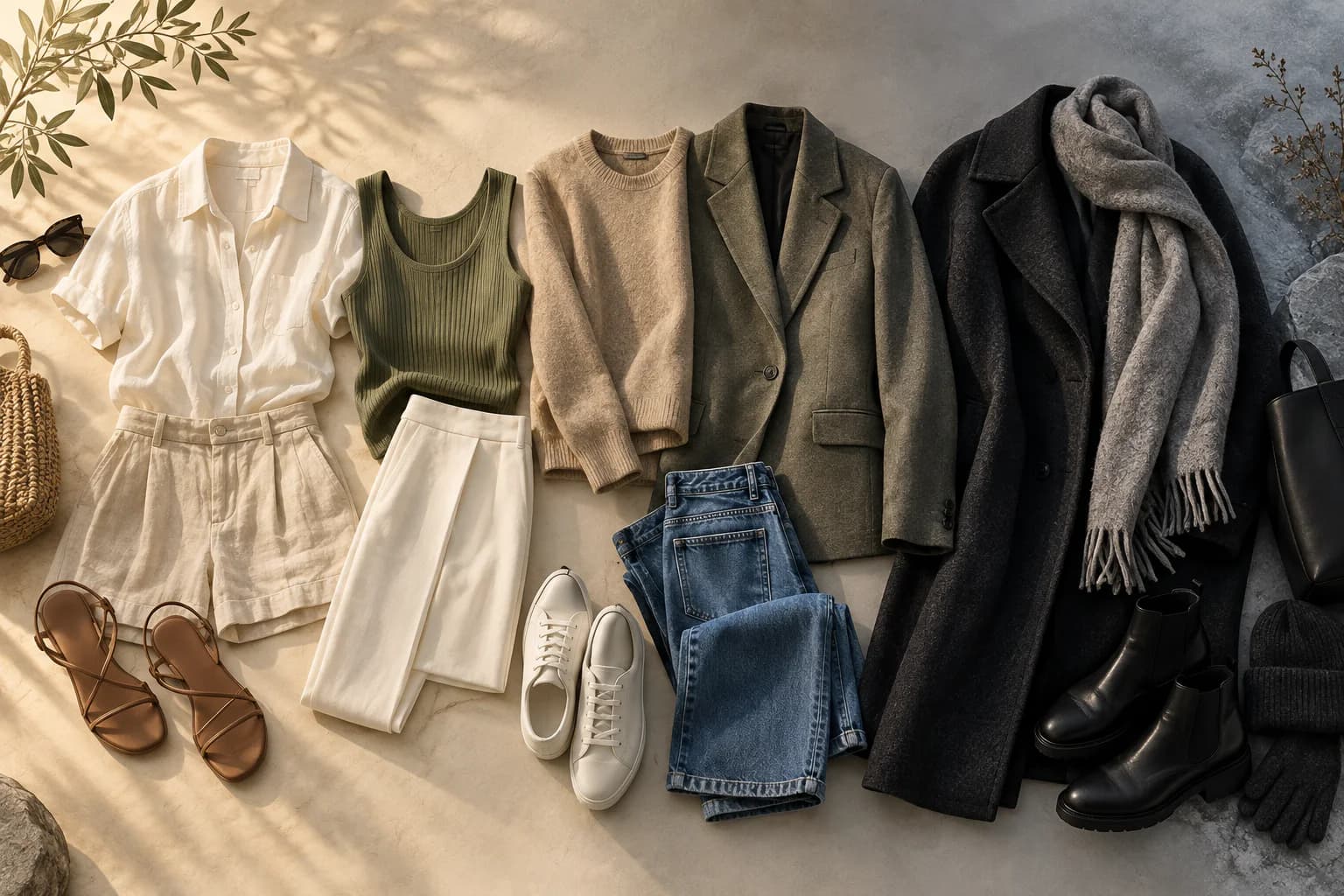
The short answer to what to wear at each temperature is: choose warm base and outer layers at 0–9°C, removable mid-layers at 10–17°C, a light top with an optional thin jacket at 18–21°C, and breathable lightweight pieces at 22–30°C. Temperature alone is not decisive: wind, rain, sun, activity and personal sensitivity all change the result.
The 0–30°C clothing chart below is a starting point for everyday urban use and light activity. Its CLO values are DRAEVA approximate CLO reference ranges for comparing outfits—not an outdoor prescription taken from a standard.
0–30°C clothing chart
Quick answer: find the temperature and scan across; add a protective outer layer in windy or wet conditions.
| Temperature | Approx. CLO | Top | Outer layer | Bottom | Shoes / note |
|---|---|---|---|---|---|
| 0°C | 1.3–1.5 clo | Thermal base + heavy knit | Insulated coat or jacket | Thermal base + heavy trousers | Boots, beanie, scarf and gloves |
| 1°C | 1.3–1.5 clo | Long-sleeve thermal + wool top | Heavy jacket | Heavy trousers; add a base layer | Closed boots and warm accessories |
| 2°C | 1.3–1.5 clo | Thermal layer + sweater | Padded jacket or coat | Heavy-texture trousers | Boots; gloves for long exposure |
| 3°C | 1.3–1.5 clo | Long sleeve + heavy knit | Warm jacket | Jeans or wool trousers | Warm socks and closed shoes |
| 4°C | 1.3–1.5 clo | Light thermal + sweater | Medium-heavy coat | Long, substantial bottoms | Boots; add a scarf in wind |
| 5°C | 1.1–1.3 clo | Long sleeve + sweater | Medium-weight jacket | Jeans or heavy trousers | Closed shoes; beanie if exposed |
| 6°C | 1.1–1.3 clo | Shirt/long sleeve + knit | Short coat or jacket | Long trousers | Sneakers or boots; warm socks |
| 7°C | 1.1–1.3 clo | Long sleeve + sweatshirt | Lined jacket | Jeans, chinos or long skirt | Closed shoes; block the wind |
| 8°C | 1.1–1.3 clo | Light sweater or sweatshirt | Medium-weight jacket | Trousers or skirt with tights | Sneakers/loafers; plan for rain |
| 9°C | 1.1–1.3 clo | Long sleeve + light knit | Light jacket or lined overshirt | Jeans or tailored trousers | Closed shoes; layer for evening |
| 10°C | 0.9–1.1 clo | Shirt + light sweater | Light jacket or trench | Long trousers | Sneakers/loafers; scarf optional |
| 11°C | 0.9–1.1 clo | Long-sleeve tee + cardigan | Trench or light jacket | Jeans, chinos or midi skirt | Closed shoes |
| 12°C | 0.9–1.1 clo | Light sweater or sweatshirt | Light jacket | Trousers or dress with tights | Keep outer layer removable |
| 13°C | 0.9–1.1 clo | Long sleeve or shirt | Overshirt, blazer or trench | Jeans or light trousers | Sneakers/loafers; cooler after dark |
| 14°C | 0.9–1.1 clo | Tee + cardigan or light knit | Light jacket optional | Medium-light long bottoms | A removable second layer |
| 15°C | 0.7–0.9 clo | Tee + light sweater/cardigan | Overshirt or light jacket | Jeans, chinos or midi skirt | Closed shoes; shed a layer in sun |
| 16°C | 0.7–0.9 clo | Long sleeve or tee + cardigan | Thin jacket optional | Light trousers or long skirt | Sneakers or loafers |
| 17°C | 0.7–0.9 clo | Tee + overshirt | Thin jacket if windy | Jeans, chinos or midi skirt | Portable layer for morning/evening |
| 18°C | 0.55–0.75 clo | Tee, shirt or thin long sleeve | Cardigan/overshirt optional | Light trousers, skirt or dress | Sneakers/loafers; layer in shade |
| 19°C | 0.55–0.75 clo | Tee or lightweight shirt | Thin cardigan optional | Cotton trousers or midi bottoms | Closed or semi-open shoes |
| 20°C | 0.55–0.75 clo | Tee/shirt with a thin layer | Overshirt for evening | Light trousers, skirt or dress | Breathable shoes |
| 21°C | 0.55–0.75 clo | Short sleeve or lightweight shirt | Thin layer only for wind/evening | Thin trousers or skirt | Sneakers, loafers or open shoes |
| 22°C | 0.4–0.6 clo | Light tee or shirt | Usually none; carry an overshirt | Cotton/linen trousers or skirt | Breathable footwear |
| 23°C | 0.4–0.6 clo | Breathable short-sleeve top | Thin layer for air conditioning | Thin trousers, skirt or dress | Light sneakers or open shoes |
| 24°C | 0.4–0.6 clo | Tee or linen shirt | Usually unnecessary outdoors | Linen/cotton bottoms or shorts | Sunglasses; airy shoes |
| 25°C | 0.4–0.6 clo | Light short-sleeve/sleeveless top | Thin layer only for AC | Shorts, skirt or very light trousers | Open or breathable shoes |
| 26°C | 0.3–0.5 clo | Thin, relaxed tee/shirt | None | Shorts, skirt, dress or linen bottoms | Light shoes and sun protection |
| 27°C | 0.3–0.5 clo | Breathable short/sleeveless top | Only for strong AC | Shorts or loose light bottoms | Open shoes; consider a hat |
| 28°C | 0.3–0.5 clo | Thin cotton or linen top | None | Shorts, skirt or light dress | Sandals/light sneakers; seek shade |
| 29°C | 0.3–0.5 clo | Very light, airy top | None | Loose shorts, skirt or dress | Open shoes, hat and water |
| 30°C | 0.3–0.5 clo | Minimal breathable layer | None | Shorts, skirt or thin dress | Sun protection and water breaks |
← Scroll horizontally to see every recommendation. →
What is a CLO value?
CLO expresses the thermal insulation a clothing ensemble provides against heat transfer from the body to the environment. 1 clo = 0.155 m²·K/W. A higher value generally means more insulation, although air permeability, fit, movement and moisture change real-world performance.
Approximate values for individual garments can be combined to estimate an outfit’s insulation. This is useful for comparison, not a laboratory measurement: air trapped between layers and garments compressing one another affect the total.
Approximate outfit examples
- Walking shorts + short-sleeve shirt: about 0.36 clo
- Typical light/summer indoor clothing: about 0.5 clo
- Trousers + short-sleeve shirt: about 0.57 clo
- Trousers + long-sleeve shirt: about 0.61 clo
- Sweatpants + long-sleeve sweatshirt: about 0.74 clo
- Jacket + trousers + long-sleeve shirt: about 0.96 clo
- Typical winter indoor clothing: about 1.0 clo
These examples show relative insulation; they do not guarantee comfort at a specific outdoor temperature.
At what temperature should you wear a coat?
There is no universal coat threshold. For low-intensity everyday use, many people benefit from a light or medium coat below 10°C, with greater insulation becoming useful below about 5°C. Between 10 and 15°C, a trench, overshirt or thin jacket is usually more adaptable.
Wind, rain and long exposure can move your coat threshold upward. Walking in calm sunshine may let you dress lighter at the same air temperature. Start with an easy-to-remove layer and adjust from experience.
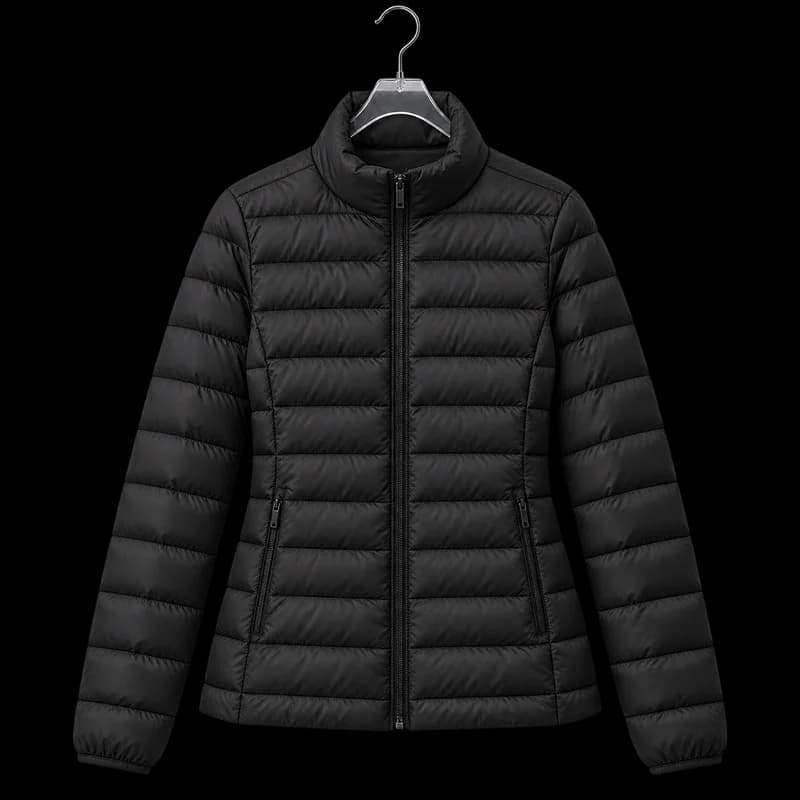
Packable puffer jacket
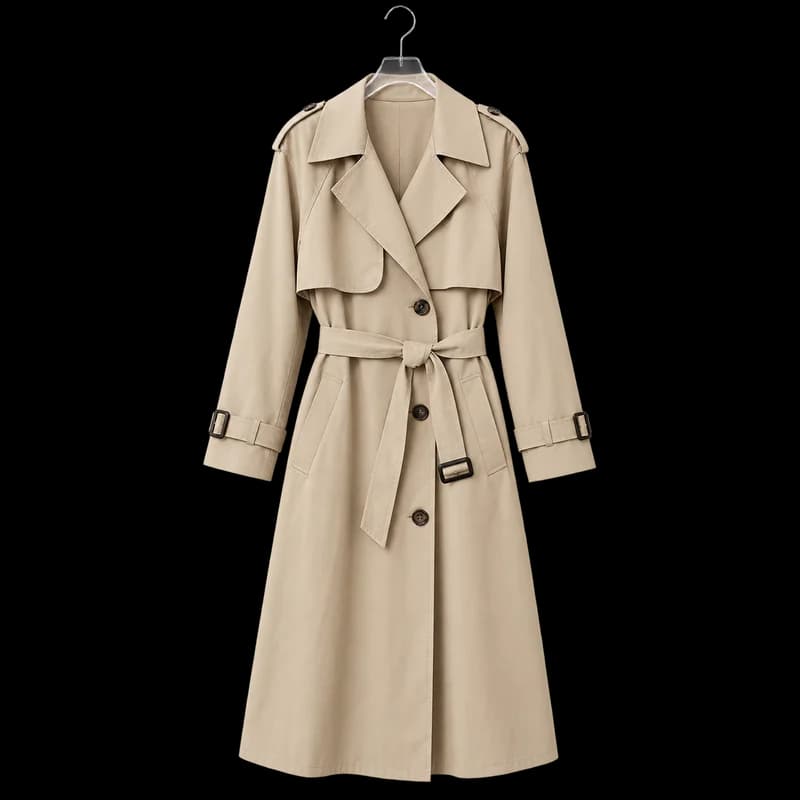
Lightweight trench coat
How should you layer between 10 and 15°C?
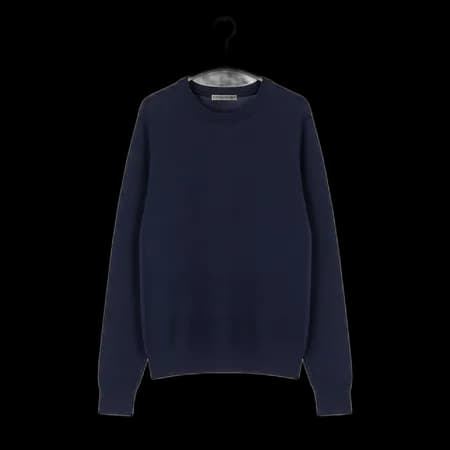
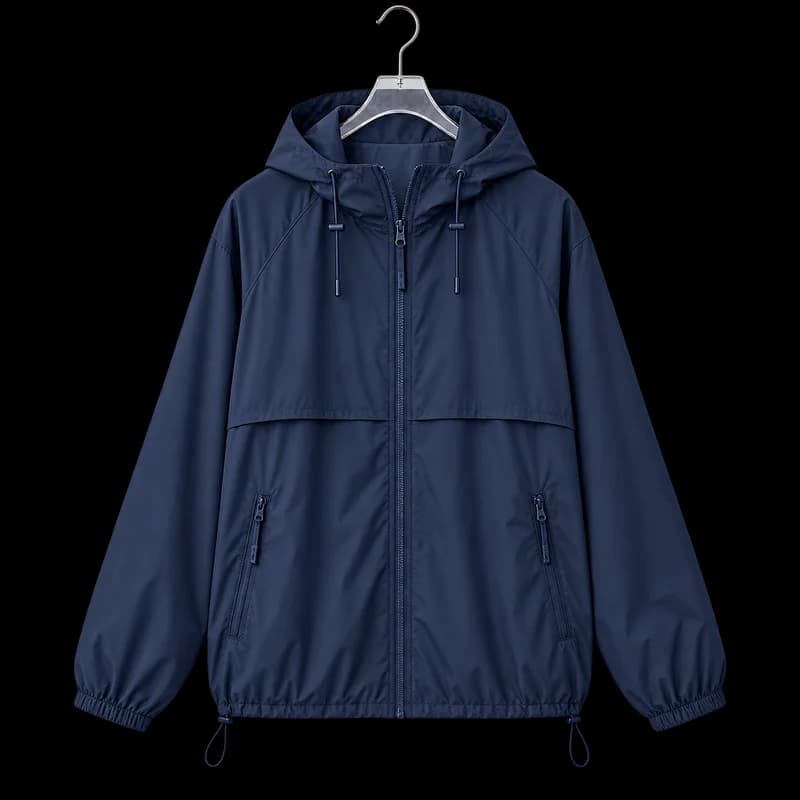
Three light functions are more adaptable than one heavy piece: a base that manages moisture, a light sweater or sweatshirt for warmth, and an outer layer that limits wind. Remove the shell first, then the mid-layer as you warm up.
At 10°C, a long sleeve, light knit and trench are a solid starting point. Around 12–13°C, reduce the knit or shell depending on conditions. Near 15°C, a tee with a cardigan or overshirt offers flexible everyday comfort.
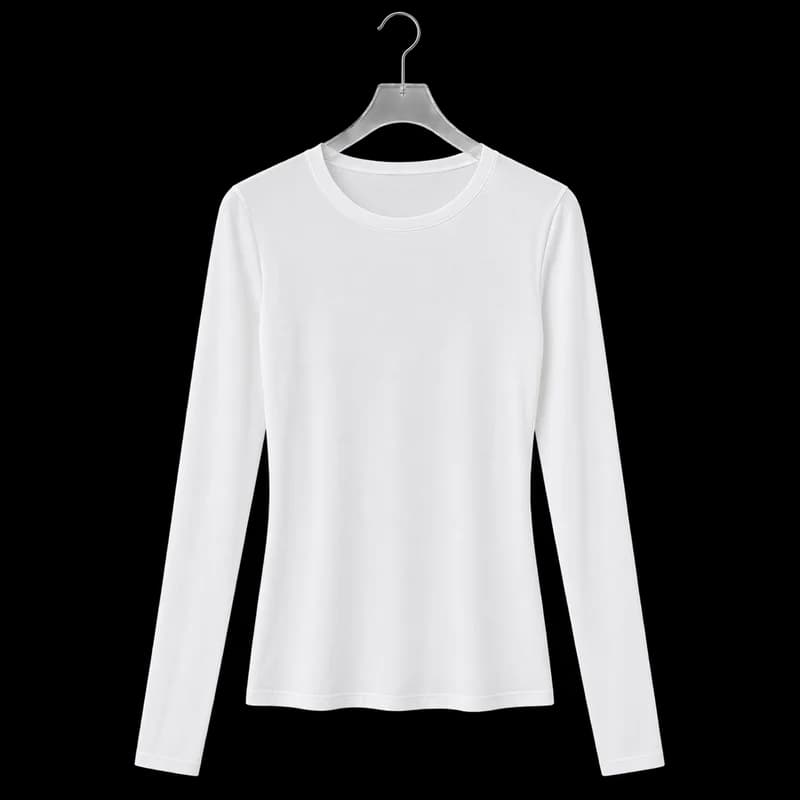
Long-sleeve base layer
Light knit
Lightweight windbreaker
What should you wear between 15 and 20°C?
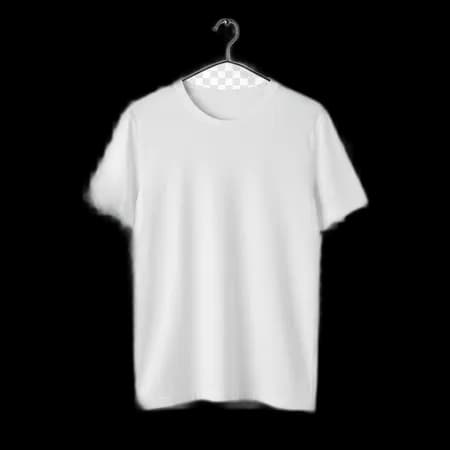
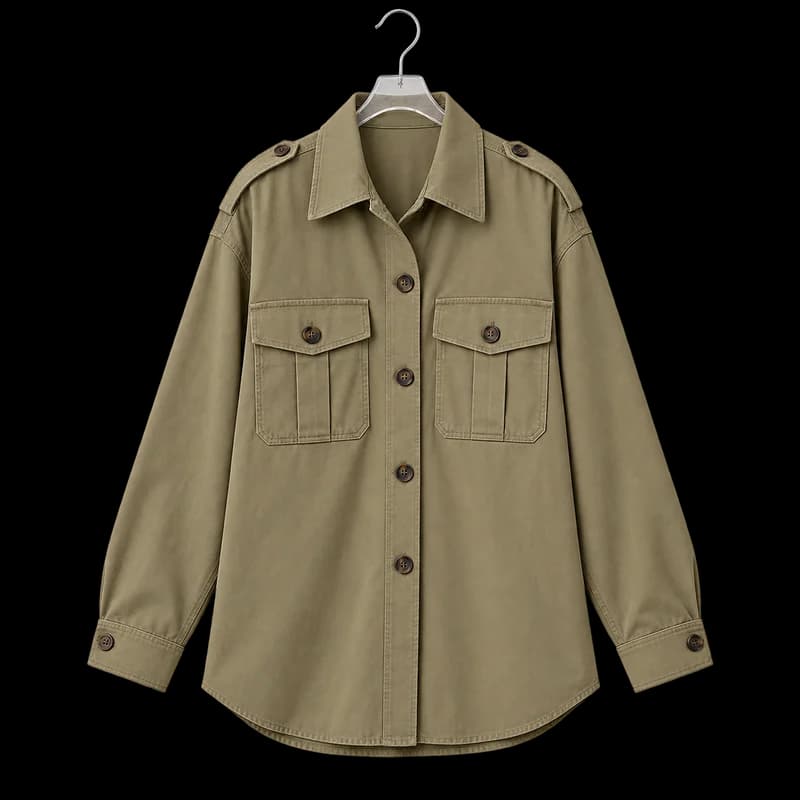
15–17°C is transition weather: pair a short-sleeve base with a cardigan, overshirt or thin jacket. At 17°C, a portable layer can handle cool mornings and evenings while a single top may work in midday sun.
From 18°C toward 20°C, try a light shirt, tee or thin long sleeve with jeans, chinos, a skirt or dress. Carry a thin layer if you will sit in shade, remain inactive or return late.
White T-shirt
Olive overshirt
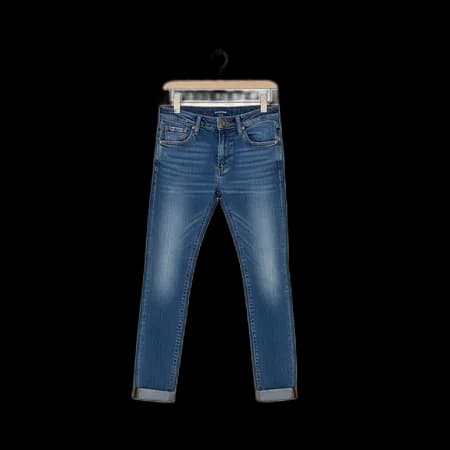
Blue jeans
Do you need a jacket between 20 and 25°C?
At 20–21°C, a thin overshirt or cardigan helps in the evening, wind or air conditioning. Above 22°C, an outdoor jacket is often unnecessary and breathable tops with light bottoms tend to feel more balanced.
At 25°C, a heavy jacket can add excessive insulation. A thin packable layer still makes sense if your day includes strongly air-conditioned interiors.
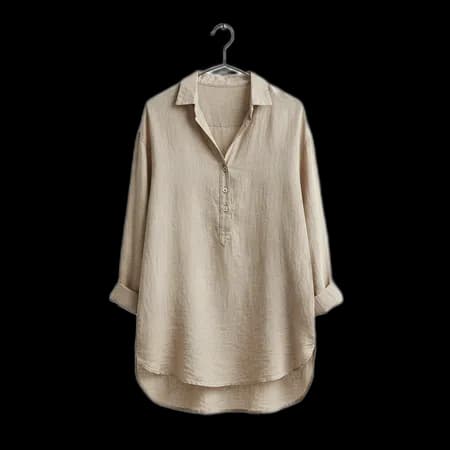
Linen shirt
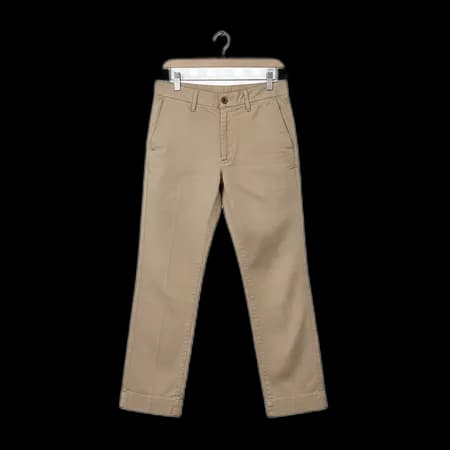
Beige chinos
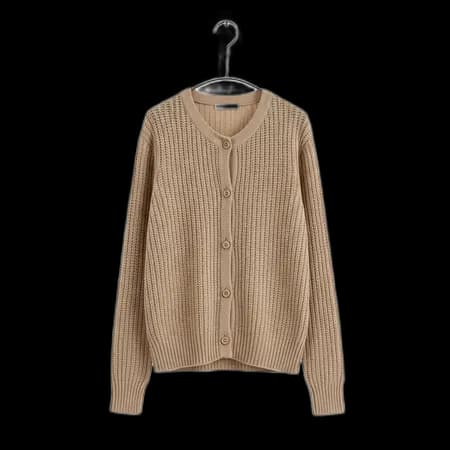
Light cardigan
How do wind and rain change clothing choices?
Wind can increase heat loss by disturbing the warm air around clothing; rain can reduce insulation when fabric and skin become wet. The same air temperature may therefore feel colder in wind or rain, but there is no scientifically sound rule that it always subtracts a fixed number of degrees.
In wind, try a wind-resistant shell before simply adding bulk. In rain, prioritize a water-resistant outer layer, quick-drying base, grippy soles and a plan for dry socks. Avoid excess insulation under a shell that makes you sweat.
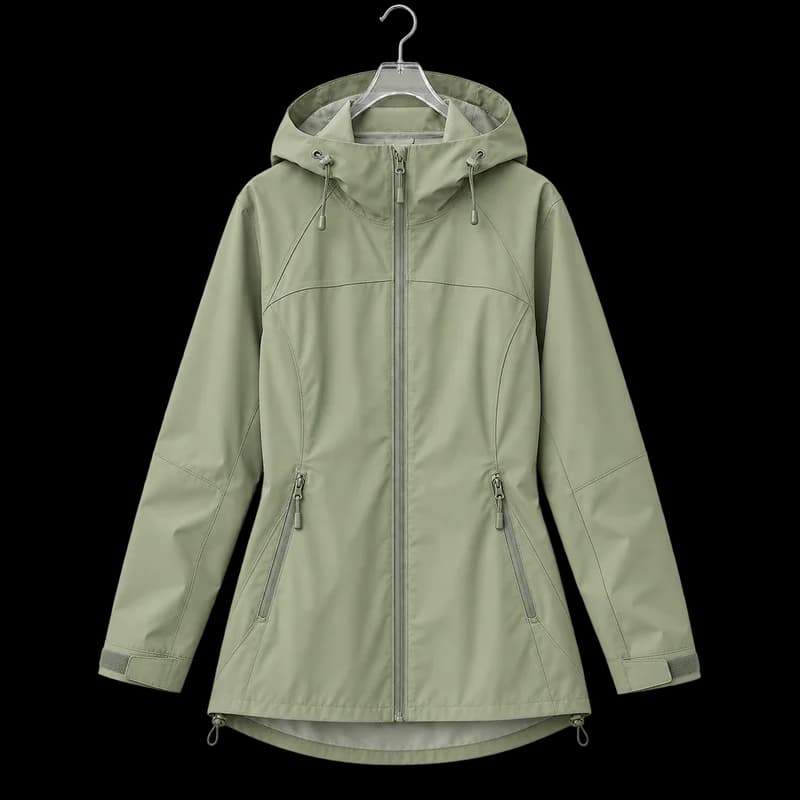
Waterproof rain shell
Lightweight windbreaker
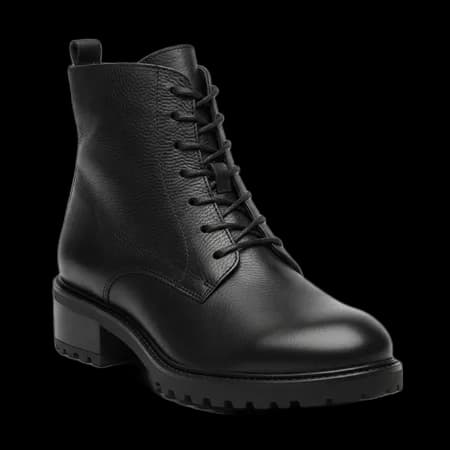
Grippy ankle boots
Why can the same temperature feel warmer in sunshine?
A thermometer measures air temperature, not the full radiant heat received from direct sun. Dark surfaces and sunlit enclosed spaces can gain more heat, so a shaded reading of 18°C may feel warmer while walking in sunshine.
Use removable layers, breathable lighter colors, a hat and sun protection. Once the sun sets, reduced radiant heat can make the same outfit feel cool again.
How does activity level change what you should wear?
Brisk walking, cycling and carrying loads raise metabolic heat production; standing still can require more insulation at the same temperature. On active routes, starting one thin layer lighter and adding it during stops is often more comfortable.
Overdressing until you sweat can leave wet layers that feel cold once movement stops. A moisture-managing base and ventable outer layer are easier to control than one very heavy garment.
How should people who run cold or hot adjust the chart?
If you run cold, aim for the upper end of the listed CLO range and add a thin base layer, warm socks or head/neck coverage. If you run hot, move toward the lower end, choose air-permeable fabrics and keep the outer layer easy to remove.
Track temperature, wind/rain, activity, exposure time and comfort for a week to find your personal thresholds. DRAEVA’s weather-aware styling approach similarly adapts general guidance to a real wardrobe and daily context.
Sources and methodology
The temperature–CLO bands in this chart are DRAEVA approximate CLO reference ranges designed for everyday decisions. They are not direct outdoor-temperature prescriptions from ANSI/ASHRAE 55, ISO 7730 or ISO 9920, and they do not reproduce copyrighted standards tables.
ASHRAE methodology includes a dynamic clothing-insulation estimate based on prior outdoor temperature to model outdoor adaptation among occupants of mechanically conditioned indoor spaces. It is not a ‘wear this CLO outside at this temperature’ rule. This guide combines thermal-comfort and clothing-insulation concepts, limited typical outfit examples and practical layering principles in original wording.
Core references
- ANSI/ASHRAE Standard 55-2023 — Thermal Environmental Conditions for Human Occupancy
- ISO 7730:2025 — Ergonomics of the thermal environment
- ISO 9920:2007 — Estimation of thermal insulation and water vapour resistance of a clothing ensemble
- UC Berkeley CBE Thermal Comfort Tool
- pythermalcomfort clothing insulation documentation
To consider weather alongside your real wardrobe, explore the DRAEVA app workflow.