
Category and subcategory
The core classification that places each item in your catalog.
DRAEVA
The next look is being prepared · Sıradaki görünüm hazırlanıyor.
GARMENT TAXONOMYZER · FOR BUSINESS
Garment Taxonomyzer turns clothing photos into structured product information. Bring categories, colors, patterns and cuts into a shared taxonomy to prepare your catalog for search, filtering and outfit recommendations.
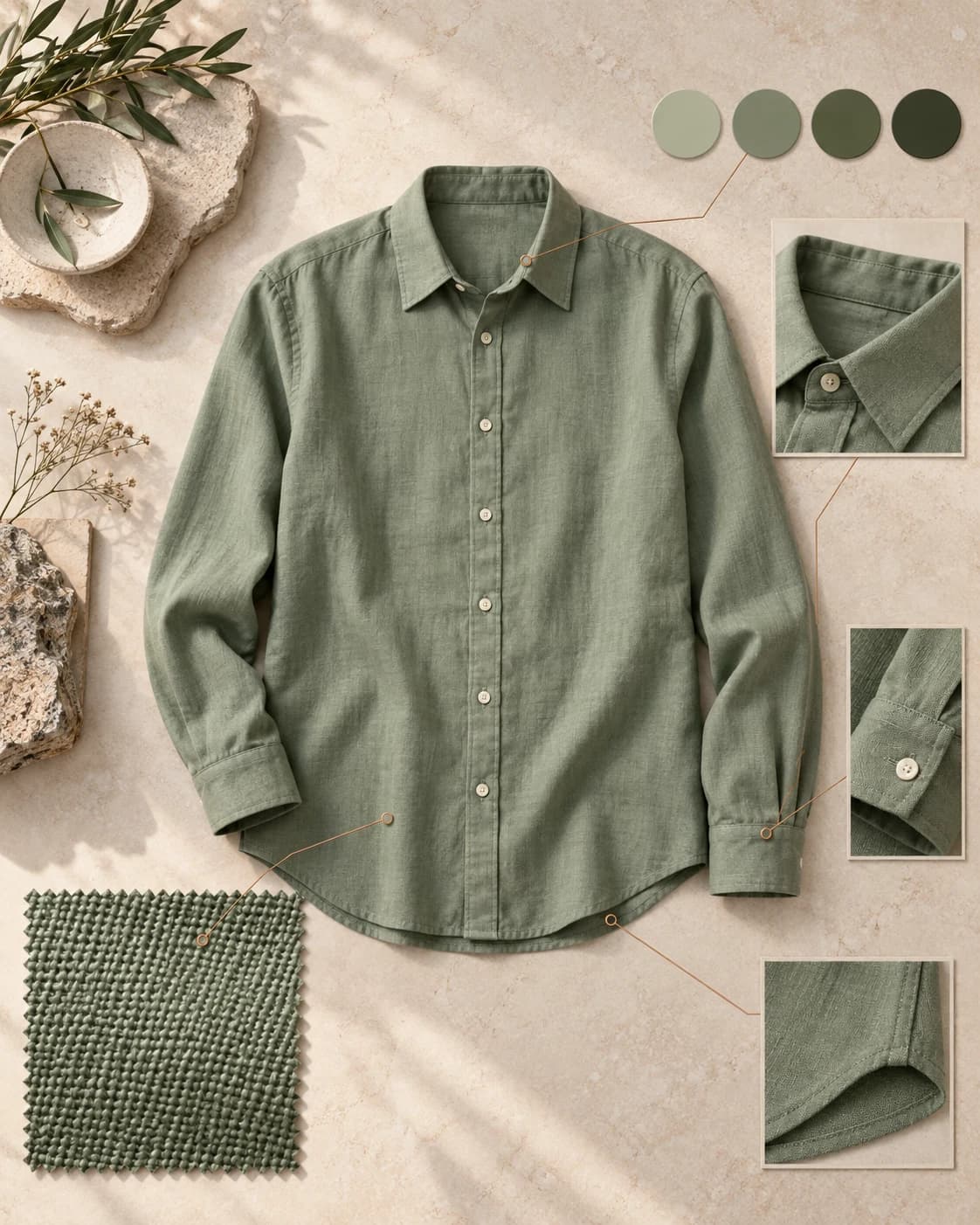
Determines subcategory and primary color from the product image. Known category or color information can be pinned during analysis.
Fills fields appropriate to each product type: collars and sleeves for shirts, rise for trousers, heel height for footwear.
Validates values against the taxonomy and returns structured attributes alongside Turkish and English product names and visual descriptions.
ANATOMY OF A GARMENT
Tap a marker or select an attribute.
neckline
Shirt collars, crew necks or V-necks distinguish otherwise similar tops.
You might search for both as a white shirt. But their necklines, cuffs, cuts and surfaces differ. Taxonomy aims to describe both in a shared language without losing those details.
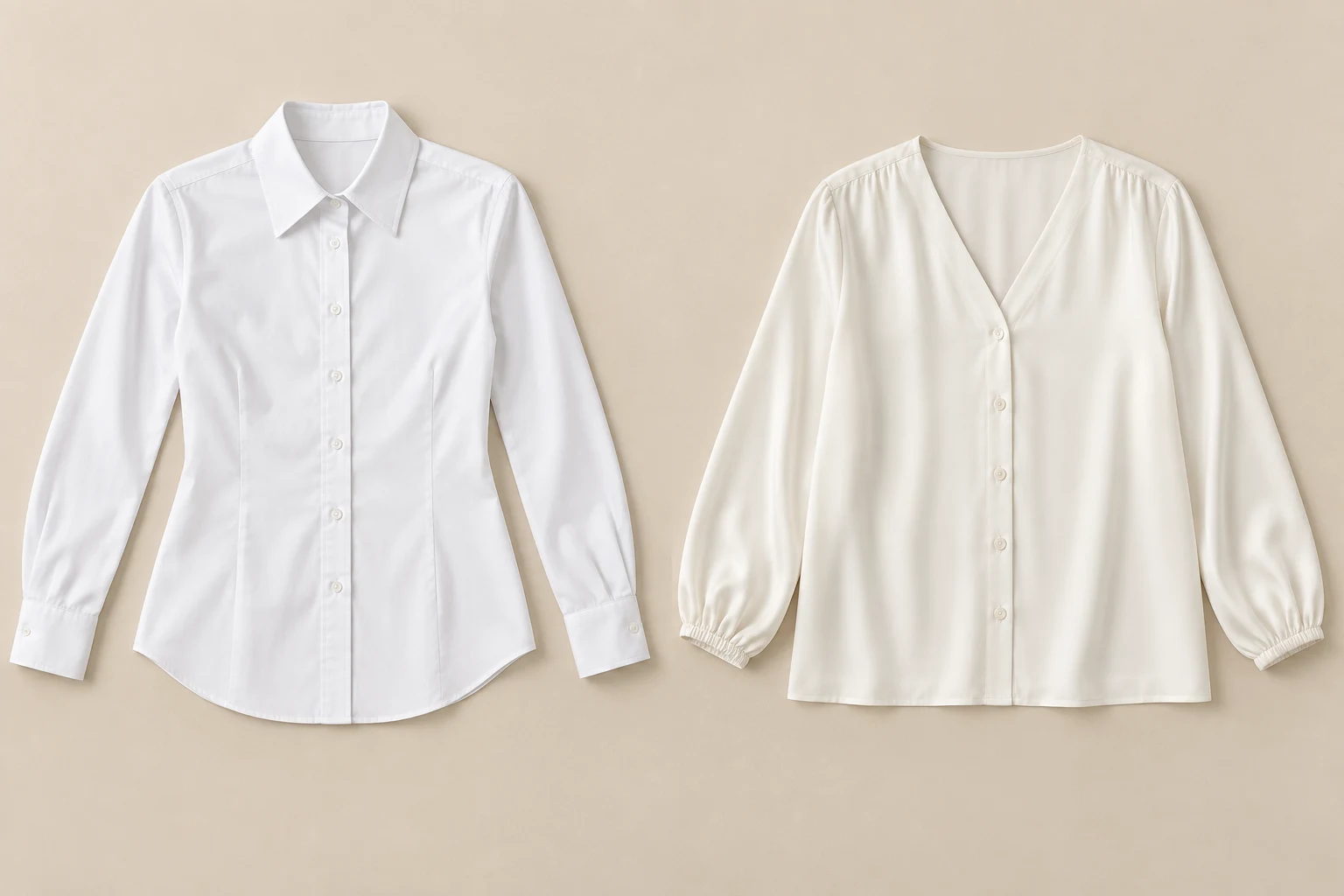
| Attribute | 01 · Left shirt | 02 · Right blouse |
|---|---|---|
| Neckline | Classic shirt collar | Collarless V opening |
| Silhouette | Waist-shaped | Relaxed and straight |
| Cuffs | Buttoned | Gathered elastic |
| Hem | Curved | Straight |
| Surface appearance | Matte and crisp | Subtle sheen, draped |
READING COLOR, TEXTURE AND FORM
Pixel measurements support color candidates. The model considers the primary color alongside patterns, shadows and other cues.
Knit structure, sheen and drape support material estimates. Visual analysis is not a laboratory fabric test.
A shirt collar and a trouser waist are described through attributes appropriate to each category.
 01 / INPUT
02 / TAXONOMY
14 attributes · category-specific details
Classification and color
Cut and construction
Surface and occasion
THE SYSTEM WE ARE BUILDING
Our goal is to build an extensible system capable of expressing every garment form and the subtle differences between them. Beyond naming products, it models relationships between category, construction, material, color and details. Evolving as new forms emerge is part of this vision.
Tops
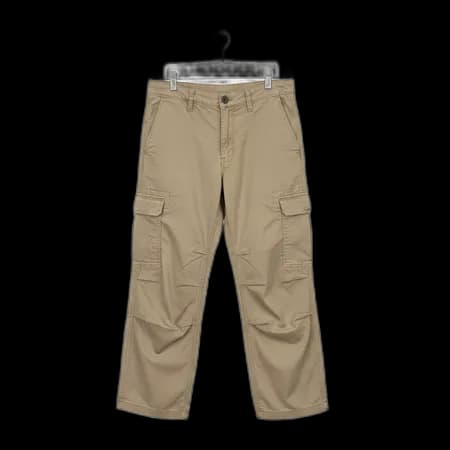
Bottoms
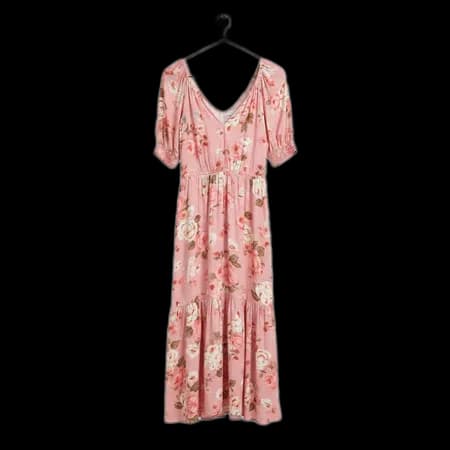
Dresses
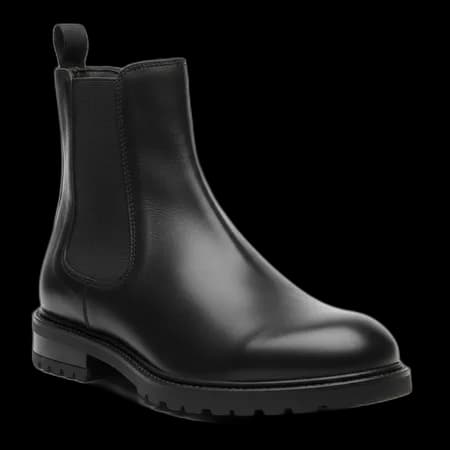
Footwear
Category → Subcategory → Attributes → Product-specific combination
Go beyond a single label. Category-specific attributes help organize products into more meaningful groups.
The core classification that places each item in your catalog.
Primary color, pattern type and pattern scale where applicable.
Product-specific silhouette, neckline, sleeves, length, rise and closures.
Visually estimated material, fabric weight and lining. Supplier data can complement these with verified composition.
Aesthetic tags, use contexts and distinctive product details.
Pixel measurements help identify color candidates, and the visual model evaluates those hints in the garment’s context. Silhouette measurements support analysis for suitable images. Results are validated against category-specific taxonomy rules.
Visual attributes
Measurement + classification
Taxonomy validation
Structured output
Organize products from different sources with shared attributes, creating a consistent foundation for filters and discovery.
Prepare color, silhouette and style attributes as inputs for Look Engine. Connect product understanding with outfit recommendations.
Send an image through the API and connect structured JSON results to your product workflow. Preserve known fields while filling missing information.
Garment Taxonomyzer extracts product attributes. Look Engine uses them to evaluate compatibility and rank outfit candidates.
Explore Look EngineShare your catalog, existing product fields and integration needs. Together, we’ll define a workflow for your business.
Let’s discuss your catalog